
Understanding the Benefits of Adopting Sustainable Energy Practices
Sustainable energy practices are becoming increasingly important for individuals, businesses, and governments around the world. As our planet faces climate change, energy shortages, and pollution, adopting sustainable energy practices offers a way forward. This blog post delves into the numerous benefits of these practices, including economic advantages, environmental impact, and social responsibility.
What is Sustainable Energy?
Sustainable energy refers to energy sources and practices that are eco-friendly and provide a long-term solution to energy needs. These energy sources include solar, wind, hydroelectric, and geothermal. Unlike fossil fuels, sustainable energy does not deplete the Earth’s resources or cause significant harm to the environment. Transitioning to sustainable energy is vital for creating a cleaner and more sustainable future.

Economic Advantages of Sustainable Energy
One of the most compelling reasons to adopt sustainable energy practices is the economic benefit. According to the International Renewable Energy Agency (IRENA), the global renewable energy sector employs over 11 million people. Embracing sustainable energy can lead to job creation, particularly in manufacturing, installation, and maintenance of renewable energy solutions.
Here are some key economic advantages:
Energy Independence: By investing in local renewable energy resources, nations can reduce their dependence on imported fuels, ultimately stabilizing energy prices and enhancing energy security.
Lower Utility Bills: Houses and businesses using solar panels or wind turbines can significantly reduce their electricity bills. While the initial investment might seem steep, the long-term savings are substantial.
Increased Property Value: Properties equipped with sustainable energy features like solar panels or energy-efficient appliances often see an increase in property value, making them more appealing to potential buyers.
Environmental Impact
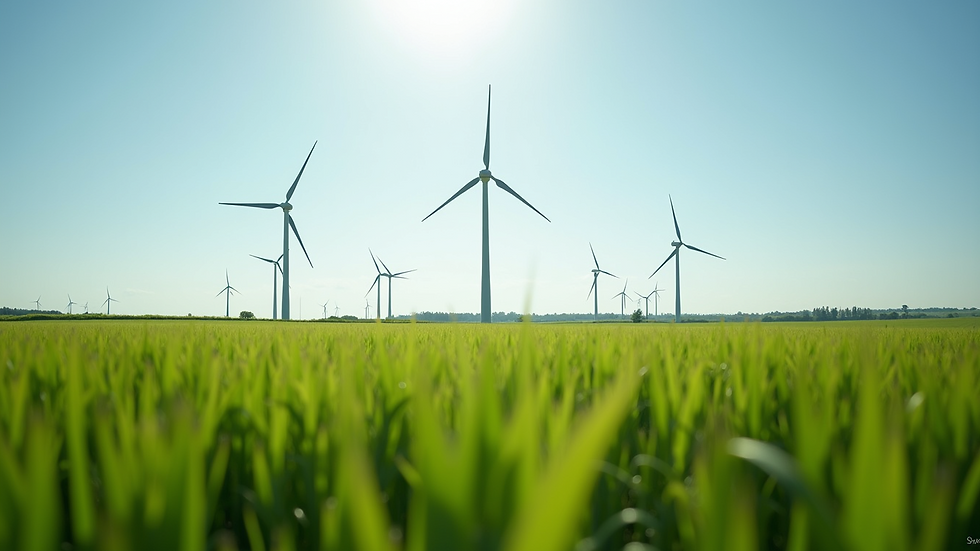
Sustainable energy practices play an essential role in combating climate change and preserving the environment. By transitioning from fossil fuels to renewable energy, we can significantly reduce greenhouse gas emissions. According to the Environmental Protection Agency (EPA), energy production is a leading cause of CO2 emissions in the United States.
Key Environmental Benefits:
Reduction in Pollution: Sustainable energy systems emit minimal pollutants compared to conventional energy sources. For instance, solar energy produces no air pollution when generating electricity.
Conservation of Resources: Renewable energy sources like wind and solar are virtually limitless. In contrast, fossil fuels are finite resources that can harm ecosystems, potentially leading to extinction of species.
Biodiversity Preservation: By investing in sustainable energy, we protect natural habitats from the adverse effects associated with drilling, fracking, and mining.

Social Responsibility and Community Engagement
Embracing sustainable energy practices is not just a matter of economics or the environment; it is also about our social responsibilities. Communities that adopt renewable energy practices often see improved social dynamics.
Community Advantages:
Enhanced Community Health: Cleaner air and water lead to healthier communities. Reduced reliance on fossil fuels can mitigate health risks linked to pollution, benefiting public health overall.
Community Empowerment: Many renewable energy projects encourage community involvement, leading to stronger local economies. Citizens can invest in solar co-ops, participate in community wind farms, or support local initiatives geared towards sustainability.
Educational Opportunities: As communities adopt sustainable practices, they create pathways for education about energy conservation and environmental stewardship, inspiring future generations.
The Path Forward: Actionable Steps
Transitioning to sustainable energy practices may seem daunting, but there are practical steps that individuals and businesses can take to make this shift easier.
Assess Your Energy Use: Start by evaluating how much energy you consume and identify areas for improvement. Look for energy-efficient appliances and practices that can reduce energy waste.
Invest in Renewable Energy Sources: Explore options like solar panels or wind turbines for your home or business. Research available local and national incentives that can offset installation costs.
Advocate for Policy Change: Support local and national legislation aimed at promoting sustainable energy practices. Join advocacy groups that focus on renewable energy solutions to amplify your voice in the community.
Encourage Others: Share your experiences and knowledge with friends, family, and your community to inspire widespread change. Organize workshops or information sessions on sustainable practices.
By taking these actionable steps, you not only benefit yourself but contribute positively to the broader society and environment.
Looking Ahead: The Future of Sustainable Energy
As technology advances and awareness of environmental issues grows, the future of sustainable energy looks promising. Innovations in renewable energy solutions are making it easier and more cost-effective for individuals and businesses to adopt sustainable practices. The global shift towards sustainable energy is not just a trend—it is a vital movement towards a better future for generations to come.
In summary, the benefits of adopting sustainable energy practices are abundant. From economic growth to environmental preservation and enhanced community welfare, making this transition is not only necessary but also immensely rewarding. Embrace the future of energy by considering sustainable practices today.
Let us work together towards a sustainable future that respects our planet and enhances the quality of life for all.


